

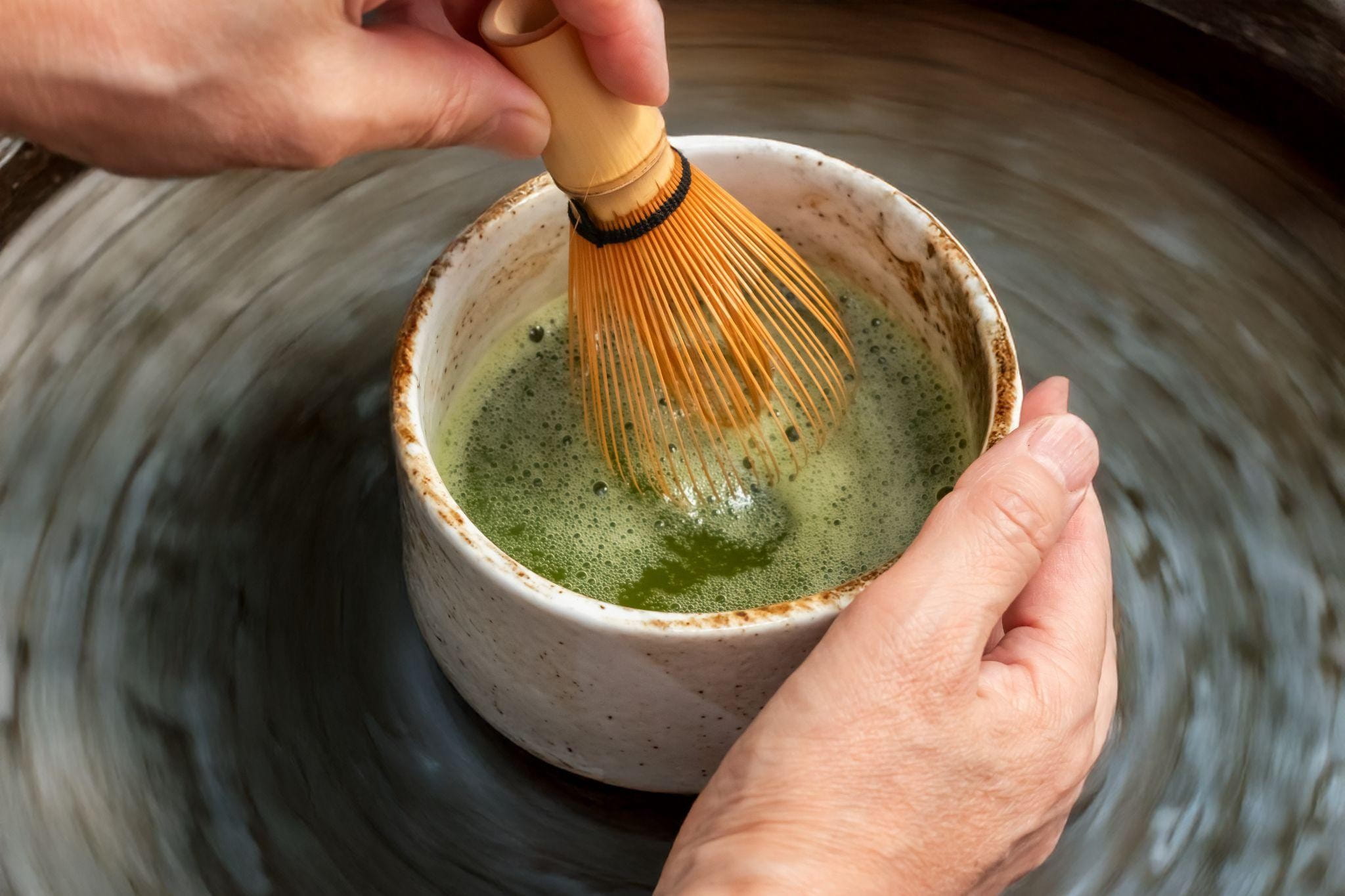
For coffee drinkers, matcha can feel unfamiliar at first, but it’s not as far removed as it seems.
Much like specialty coffee, Somage Matcha is carefully sourced, processed, and graded, meaning the final flavour all comes down to proper preparation. If you’re a barista in training and learning how to brew matcha, the method you use plays a similar role to dialling in an espresso or refining a pour-over.
Unlike coffee, though, matcha is consumed as a finely ground powder, so technique has an even greater impact on taste, texture, and overall experience. From water temperature to mixing style, small changes can shift your cup from smooth and balanced to bitter or flat.
Whether you’re following a traditional approach with a whisk or exploring faster, café-friendly methods, this guide to Somage Matcha brewing will help you get the most out of every cup.
What Is Somage Matcha?
Somage Matcha is a premium, farm-sourced Japanese matcha range spanning everyday culinary grades to high-end ceremonial expressions. Unlike other mass-market powders, it is positioned as a single-origin, quality-driven product, with a strong emphasis on transparency, flavour integrity, and traditional cultivation methods.
All Somage Matcha is:
- Directly sourced from authentic Japanese farms in regions like Kagoshima and Shizuoka.
- Shade-grown before harvest to enhance chlorophyll, sweetness, and umami taste.
- Finely milled for smooth texture and vibrant colour.
- Designed to deliver a clean, balanced flavour with depth and clarity.
In other words, Somage Matcha is matcha treated similarly to specialty coffee beans, like our very own single-origin blends, guaranteeing a premium drinking experience in every cup.
Traditional Matcha Brewing Method
There exists a happy intersection between brewing coffee and matcha. In fact, many owners and managers may already have some of the necessary tools to serve their own matcha drinks.
However, there is nuance to brewing the perfect matcha through traditional methods, depending on what results you are after. Here are some of the tools you will need to brew Somage Matcha, along with the basic steps.
Tools You’ll Need
Preparing matcha the traditional way requires tools that look very different from those found in typical cafés. These tools aren’t just aesthetic—they’re functional, helping you achieve the creamy, balanced result that defines a good matcha.
- Bamboo whisk (Chasen 茶筅): A chasen is a bamboo whisk designed specifically for preparing matcha, used to properly disperse the matcha powder and create a smooth, airy froth.
- Matcha bowl (Chawan 茶碗): A bowl used for preparing matcha that is wide and deep enough to allow for proper whisking without spilling.
- Scoop (Chashaku 茶杓): A chashaku is a bamboo scoop used to measure consistent portions of matcha powder, typically 1–2 scoops per serving.
- A fine sieve (optional but recommended): To remove clumps of powder before whisking.
Step-by-Step Instructions
Preparing matcha the traditional way requires a few steps. The whole process can take about 3 to 5 minutes once you’re comfortable with the technique.
- Sift 1–2 tsp of matcha into your bowl
This removes powder clumps and ensures a smoother final texture. - Add a small amount of hot water (70–80°C)
Start with about 60-80ml of hot water — NEVER BOILING; high heat can make matcha bitter. - Whisk in a rapid “M” or “W” motion
Whisk quickly using your wrist (not your arm) in a “M” or “W” motion until the matcha is fully dissolved. - Create a fine, even froth on top
Whisk until you have created a layer of small, tight bubbles on the surface, avoiding large, uneven foam. - Top up with more water if needed
Add more water to your mixture to adjust its strength to your preference, typically up to 100ml total.
Pros & Cons
Pros: Preparing matcha with this technique produces the smoothest, most balanced flavour, highlighting its natural umami and sweetness.
- Creates a creamy texture with a delicate foam.
- Maximises aroma and overall drinking quality.
- Encourages a more mindful, ritualistic experience—great for slowing down and enjoying the process!
Cons: The traditional method is slightly more time-consuming compared to quick methods and requires specific tools that not everyone may have on hand.
- The whisking technique takes a bit of practice to master.
- Less convenient for speedy, on-the-go preparation or modern drinks.
Modern Matcha Brewing Methods
While traditional matcha preparation focuses on precision and ritual, modern methods prioritise speed, consistency, and scalability, ideal for busy environments or everyday use. These approaches are especially popular in cafés where matcha is often served as lattes, iced drinks, or blended beverages rather than in its pure ceremonial form.
Tools You Can Use
Modern matcha preparation leans on equipment you likely already have. These tools remove much of the technique required in traditional preparation, making matcha far more accessible and less time-consuming to craft.
- Electric frother: Electric frothers are inexpensive tools, great for quickly mixing matcha into milk or water while adding light foam.
- Milk steamer (for cafés): Standard milk-steaming wands or jugs can quickly make a matcha latte with a silky, café-style finish.
- Blender: A blender is ideal for mixing larger servings of matcha in iced drinks, creating a smooth, fully incorporated texture.
- Shaker bottle: A simple, portable option for on-the-go mixing—just shake and serve!
Quick Method
Modern matcha preparation can be super quick. Many cafés incorporate matcha powder into other drink recipes to enable speedy service and mass production.
- Add matcha + liquid (water or milk)
Use around 1-2 tsp of matcha with 150-250ml of liquid, depending on your desired strength. - Blend, froth, or shake
- Frother: 10 to 15 seconds.
- Blender: 15 to 30 seconds.
- Shaker: Shake vigorously for 20 to 30 seconds.
- Serve hot or iced
- For hot drinks, heat the milk separately before mixing.
- For iced drinks, pour over ice or blend with ice for a smoother finish.
- Sweeten or flavour (optional)
Add honey, vanilla, or other flavoured syrups depending on your menu or preference.
Pros & Cons
Pros: Preparing matcha with modern techniques is both fast and efficient, perfect for busy mornings or café service.
- Beginner-friendly, with no specialised technique required.
- Works well for lattes, iced drinks, and flavoured matcha options.
- Easily scalable for multiple servings or takeaway orders.
Cons: Modern matcha methods lack the finesse of traditional methods and often fail to produce the fine, creamy microfoam achieved with an authentic bamboo whisk.
- Can produce a slightly flatter or less complex flavour profile.
- Less emphasis on the ritual and sensory experience of traditional preparation.
- Texture may be inconsistent and vary depending on the tool and technique used.
Traditional vs. Modern – Key Differences
| Traditional vs. Modern — Key Differences | ||
|---|---|---|
| Factor | Traditional | Modern |
| Time | 3–5 mins | 30–60 seconds |
| Texture | Smooth, frothy | Slightly airy |
| Experience | Ritual, calming | Quick & practical |
| Best for | Tea lovers | Busy lifestyles |
Expert Tips for Perfect Matcha
Getting matcha right comes down to a few small details that make a big difference in the final cup. Here are some tips that expert matcha makers always keep in mind.
Use water below boiling (70-80°C)
This preserves the natural sweetness and umami, preventing bitterness.
Sift matcha before mixing
A quick sift removes clumps and helps create a smoother, more even texture.
Choose high-quality matcha
Better matcha delivers a brighter colour, cleaner taste, and less bitterness.
Adjust your ratio to taste
Start with a standard mix, then adjust the strength to suit your preference for a lighter or more robust flavour.
Which Method Should You Choose?
Ultimately, the right matcha method comes down to what you value most in the moment.
If you’re after depth of flavour, texture, and a more mindful experience, the traditional method is hard to beat. It brings out matcha’s natural sweetness and umami, turning preparation into part of your morning ritual.
On the other hand, if you need speed and convenience, modern methods are always a practical choice. They make it easy to enjoy matcha daily, whether that’s as a quick morning drink or a café-style iced latte.
At the end of the day, there’s no need to choose just one! Many people find the best approach is to use both, depending on the occasion.
Ready to elevate your morning matcha experience? Explore premium, café-quality matcha supplies at Coffee NQ and find the perfect blend for both traditional rituals and modern brewing.
FAQs
Can you make matcha without a whisk?
Yes, you can! While a bamboo whisk gives the best texture, an electric frother, blender, or even a shaker bottle can mix matcha effectively and create a smooth drink.
Is matcha better hot or cold?
Both work well. This really comes down to preference. Hot matcha highlights its natural umami and depth, while iced matcha is lighter and refreshing, ideal for warmer days.
Can you mix matcha with coffee?
Great idea! A dirty matcha latte is a very popular drink served at cafés. Combine your serving of matcha with one or two shots of freshly pulled espresso poured over your preferred milk for a bright and airy buzz.

